
Operational focus
Contract clarity
MarketsMar 20266 min read
Annual fish meal contracts work best when both sides agree on more than price. Protein level, moisture range, digestibility expectations, shipment cadence, and documentation standards all affect the real value of a long-term supply agreement.

Article brief
Operational focus
Contract clarity
Primary concern
Specification drift
Useful for
Feed formulators and buyers
01
A protein percentage is useful, but it is not the whole contract. Buyers should align on the intended feed application, required consistency, and acceptable variation so the supplier can match product planning with formulation needs.
02
Annual supply only works when the delivery rhythm supports inventory planning. Shipment windows, port routing, lead times, and backup allocation should be discussed before demand pressure makes every change expensive.
03
Certificates, sampling records, packing information, and export documents should be defined alongside price and volume. That shared checklist reduces friction when goods are ready to move.
Field principle
The best contract is not the one with the most clauses; it is the one with the fewest surprises.
Operational takeaways
01
Define performance targets beyond headline protein.
02
Agree shipment cadence before seasonal pressure arrives.
03
Attach documentation requirements to the order terms.
Continue reading

Supply chain5 min read
From Tran De to global seafood hubs: building reliability around the port.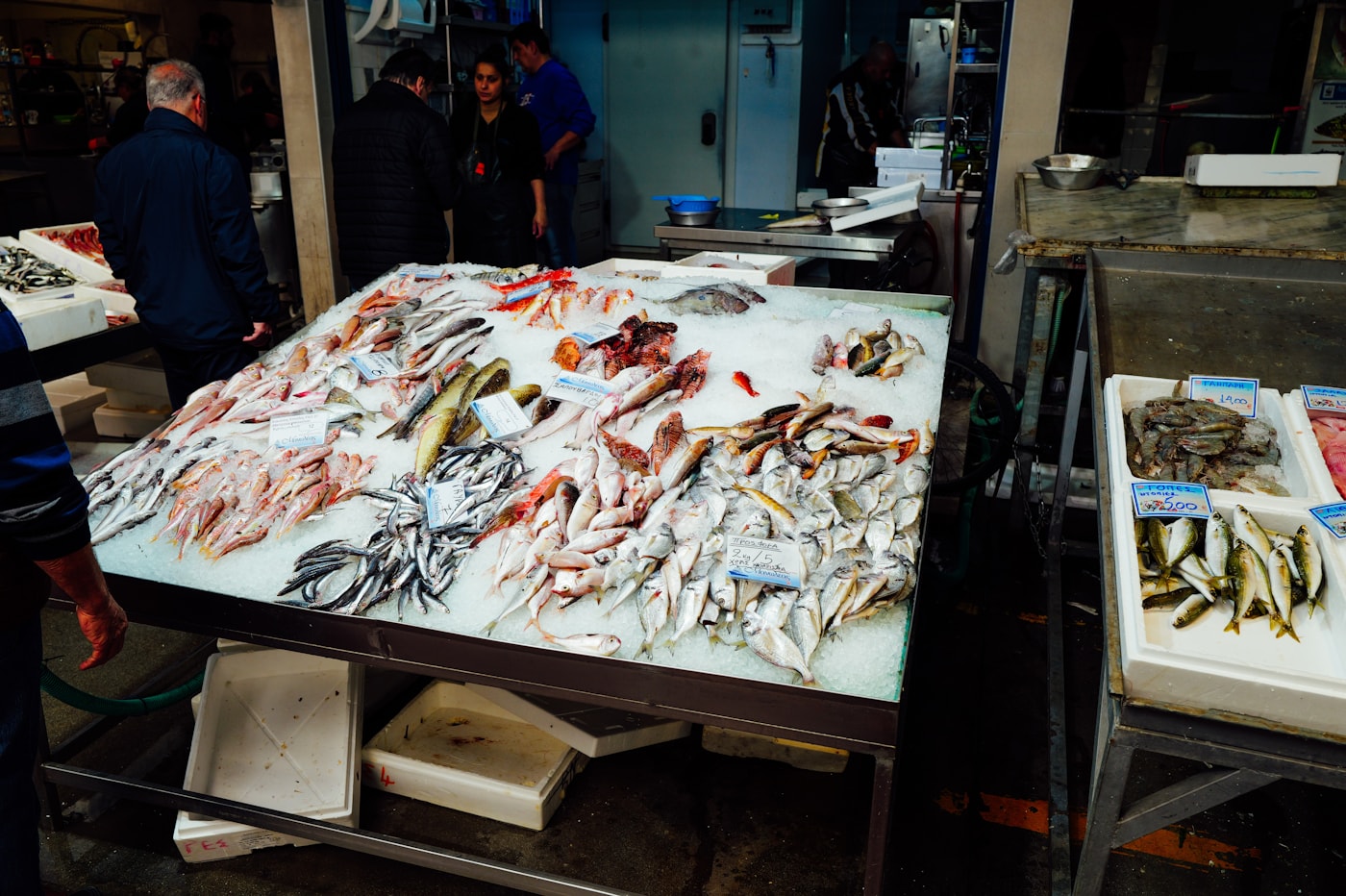
Production4 min read
Surimi gel strength starts long before the mixer.
Circular model5 min read
Turning by-products into high-value feed inputs.