
Operational focus
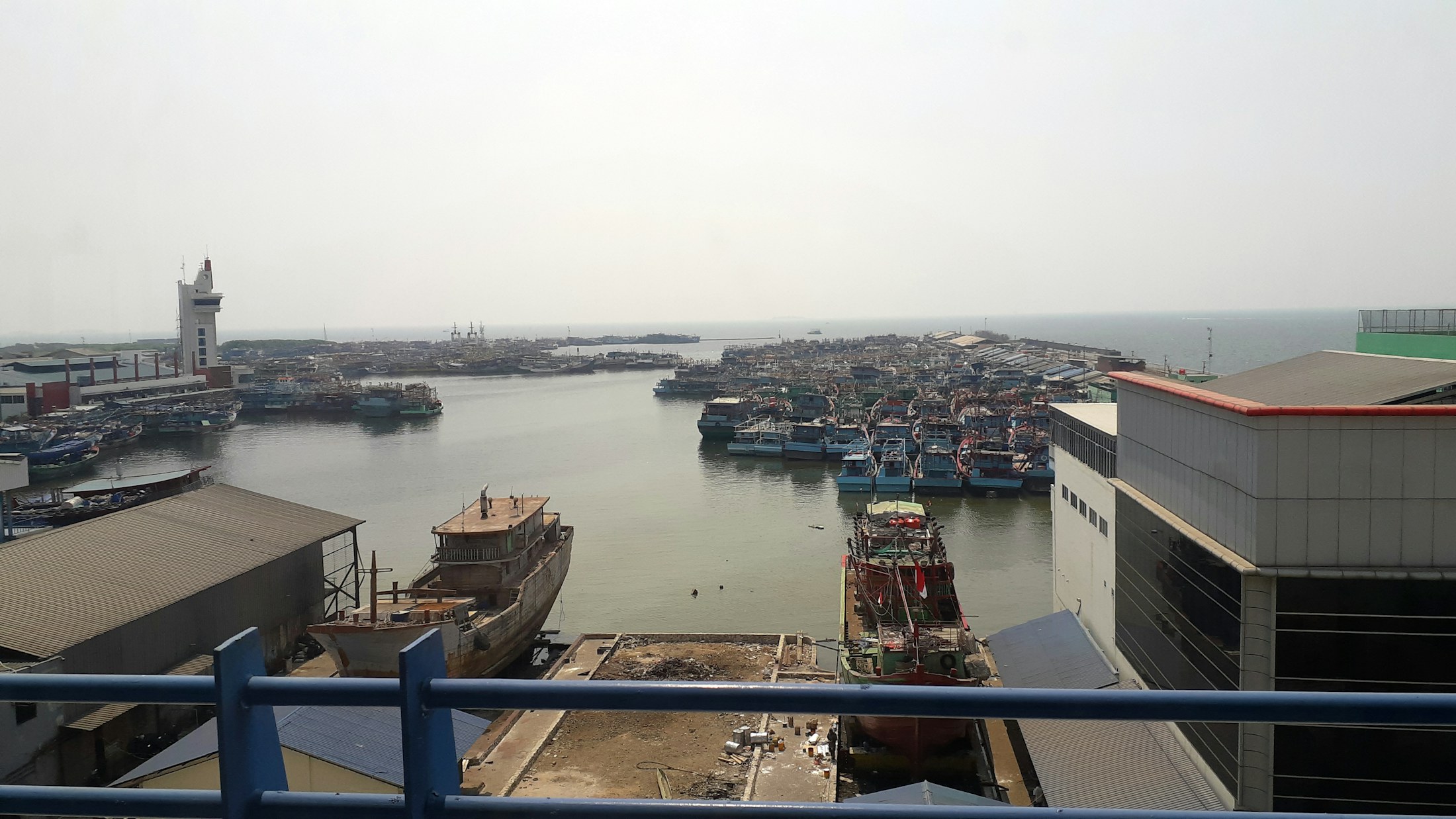
Port proximity
Supply chainApr 20265 min read
Reliability in marine protein export is rarely created by one dramatic move. It is built through a sequence of small operating choices: where raw material lands, how quickly it is graded, how cold-chain staging is protected, and how documentation travels with the shipment.
Article brief
Operational focus
Port proximity
Primary concern
Cold-chain continuity
Useful for
Procurement and logistics teams
01
When raw material arrives close to the processing facility, teams can shorten the distance between landing, inspection, chilling, and production. That tighter loop gives procurement teams more control over grade selection and gives customers a cleaner view of how freshness is protected before export.
02
Cold-chain discipline works best when every team understands the next handoff. Receiving, grading, packing, warehouse movement, and container loading need simple timing rules that protect the product without slowing commercial commitments.
03
Export buyers do not only purchase product. They purchase confidence that the shipment can clear inspections, match agreed specifications, and arrive with the right certificate trail. Reliable paperwork is part of the supply chain, not an afterthought.
Field principle
The strongest export systems make quality visible before the container leaves the port.
Operational takeaways
01
Keep raw material windows short and measurable.
02
Treat cold-chain staging as a production discipline.
03
Align certificates, labels, and sampling records before shipment release.
Continue reading

Markets6 min read
Questions to ask before locking annual fish meal contracts.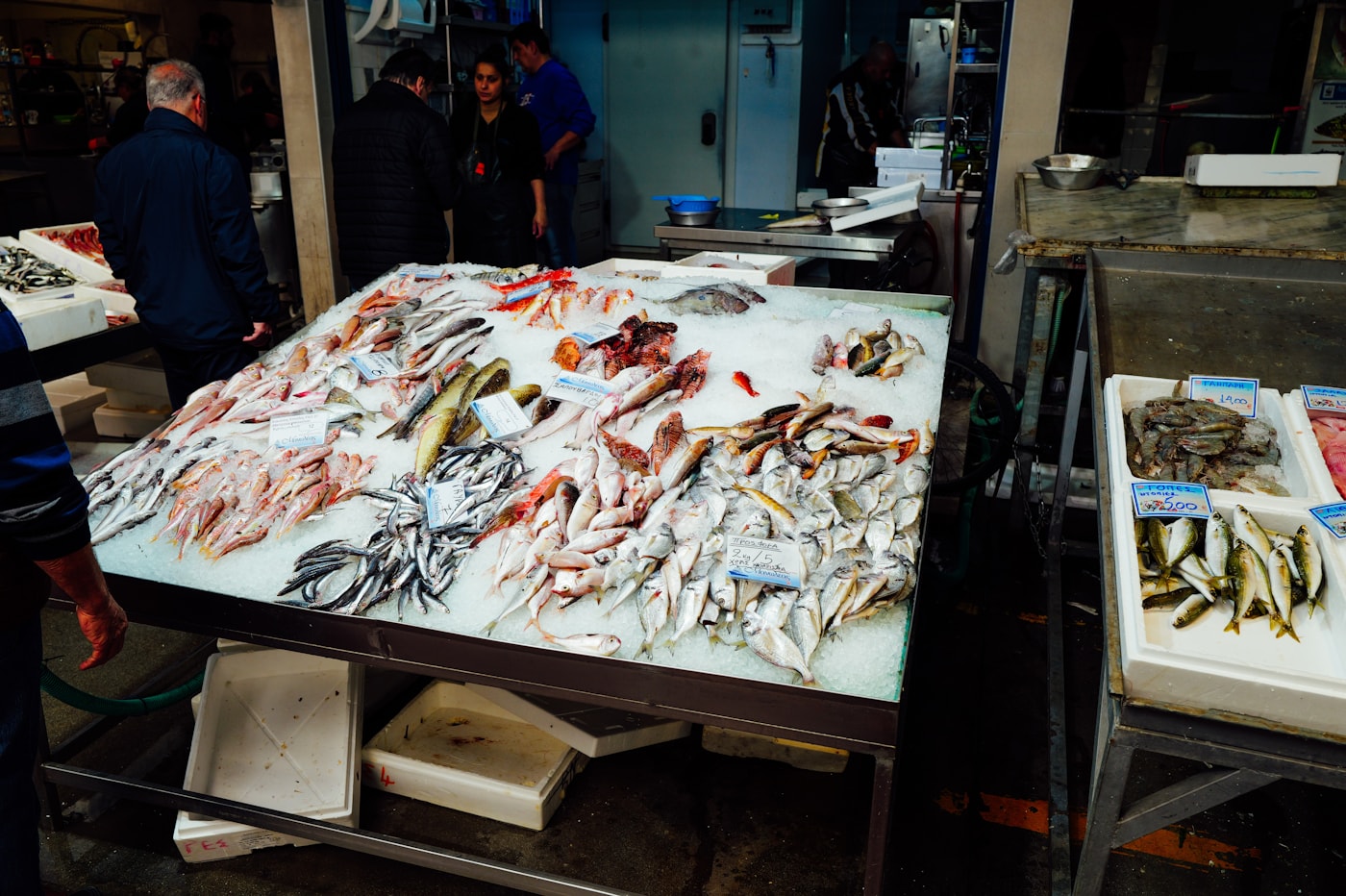
Production4 min read
Surimi gel strength starts long before the mixer.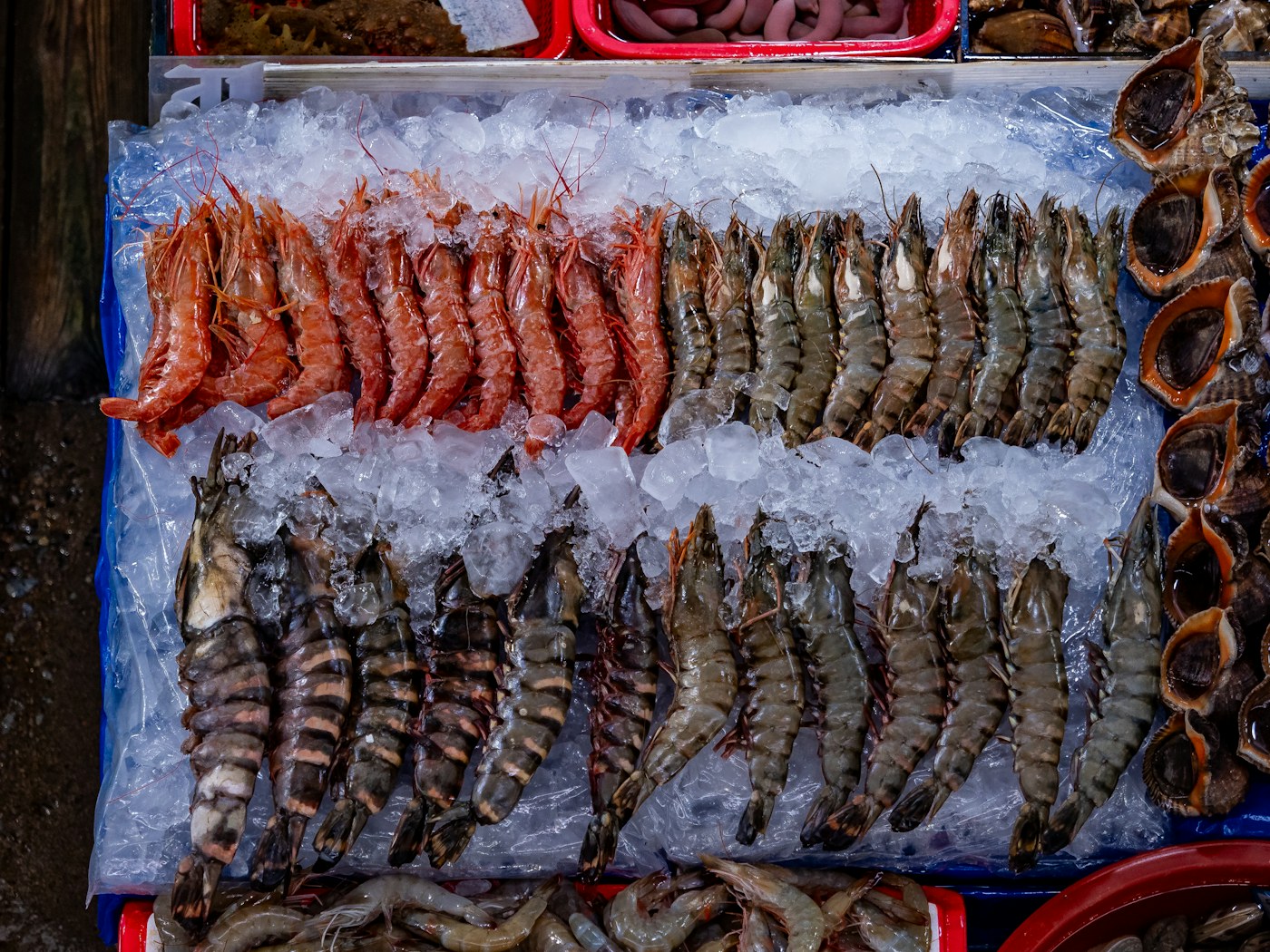
Circular model5 min read
Turning by-products into high-value feed inputs.