
Operational focus
Low-waste processing
Circular modelFeb 20265 min read
A marine protein facility becomes stronger when it treats the whole fish as a resource. Integrated production allows processors to turn primary output and by-products into a broader portfolio with less waste and more predictable value.
Article brief
Operational focus
Low-waste processing
Primary concern
Nutrient retention
Useful for
Feed and sustainability teams
01
Good by-product utilization depends on clean separation and timely movement. When usable streams are identified early, they can be processed into meal or oil with better nutrient preservation.
02
Fish meal quality depends on both raw material and drying control. Stable heat management helps preserve nutritional value while creating a product that feed formulators can use with confidence.
03
Fish oil extends the value of the production model, especially for aquaculture and animal nutrition applications where lipid quality matters. The result is a more complete marine protein system.
Field principle
Low waste is not a slogan in processing; it is a discipline of separating, moving, and refining material at the right time.
Operational takeaways
01
Separate by-product streams before quality declines.
02
Use controlled drying to protect feed value.
03
View fish oil as part of the integrated production plan.
Continue reading
Supply chain5 min read
From Tran De to global seafood hubs: building reliability around the port.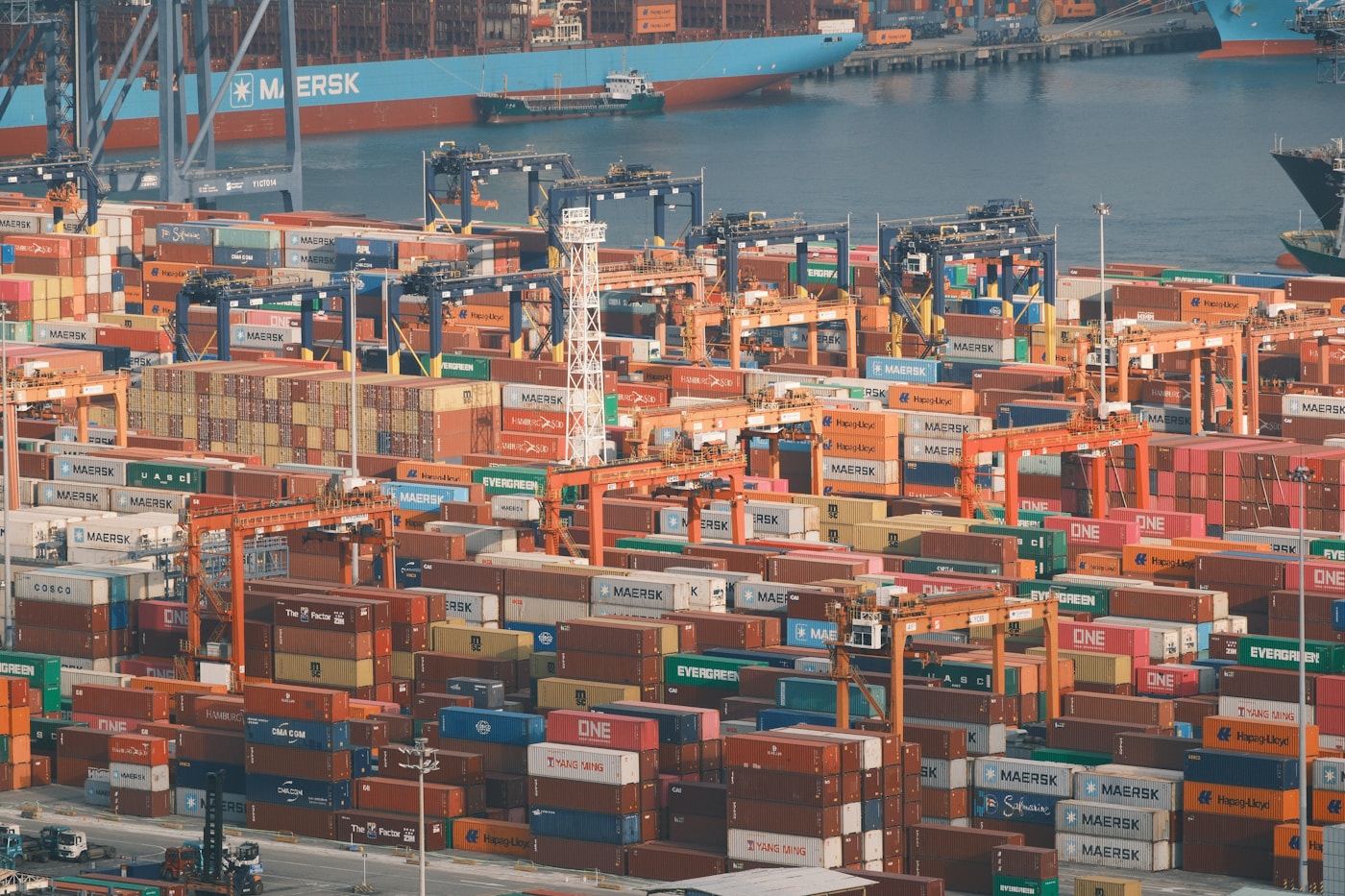
Markets6 min read
Questions to ask before locking annual fish meal contracts.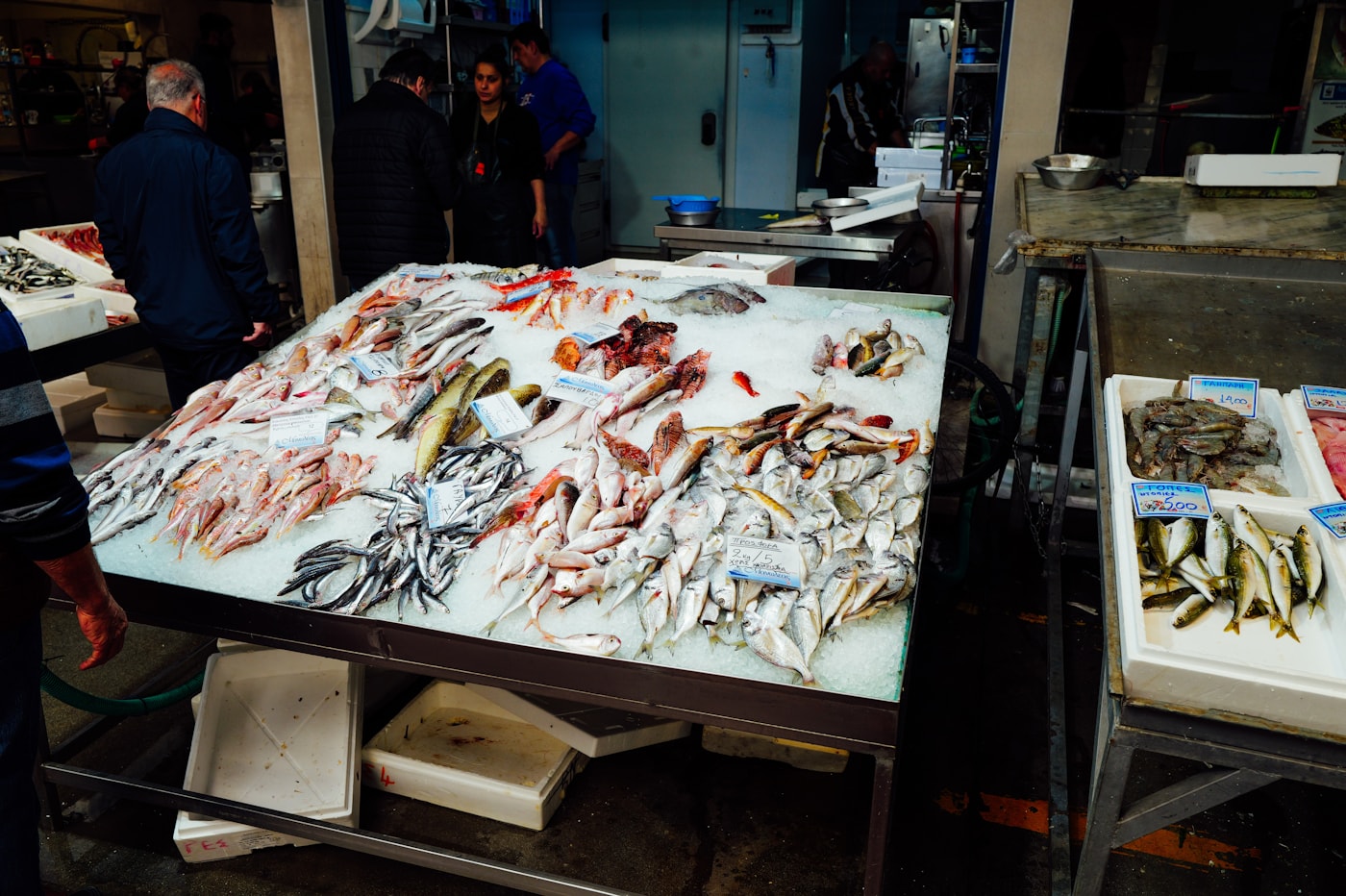
Production4 min read
Surimi gel strength starts long before the mixer.