
Operational focus
Texture consistency
ProductionMar 20264 min read
Surimi texture is often discussed inside the plant, but the foundations of gel strength are set earlier. Raw material handling, trimming discipline, washing control, and freezing speed shape the final bite long before a customer tests the block.
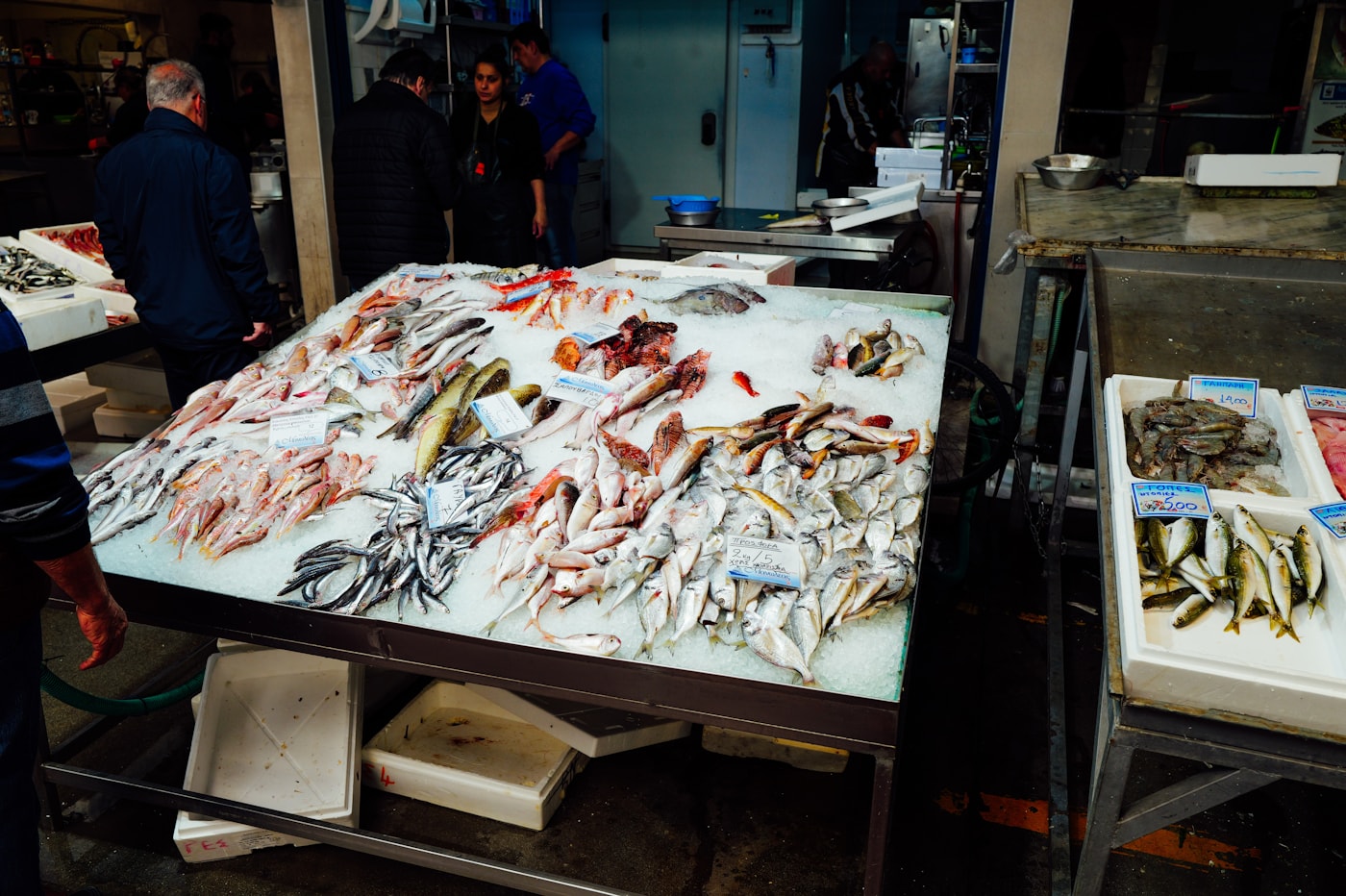
Article brief
Operational focus
Texture consistency
Primary concern
Raw material freshness
Useful for
R&D and purchasing teams
01
Cleaner raw material gives production teams a better starting point for washing, refining, and freezing. When fish is graded quickly and kept cold, the process can focus on preserving functional protein rather than correcting avoidable variation.
02
Surimi buyers care about color, odor, bite, and elasticity. Careful trimming reduces unwanted material before the wash cycle, helping the final block maintain the clean profile expected in kamaboko, crab stick, and seafood ball applications.
03
A strong production line does not end when the block is formed. Rapid freezing and stable storage protect the texture that has been built through the earlier process, especially when shipments travel across multiple climate zones.
Field principle
The final gel test is only the last visible sign of decisions made much earlier.
Operational takeaways
01
Inspect raw material quickly after landing.
02
Protect color and odor through disciplined trimming.
03
Freeze and store blocks with the same care used in production.
Continue reading

Supply chain5 min read
From Tran De to global seafood hubs: building reliability around the port.
Markets6 min read
Questions to ask before locking annual fish meal contracts.
Circular model5 min read
Turning by-products into high-value feed inputs.