
Operational focus
Warehouse to vessel
LogisticsFeb 20263 min read
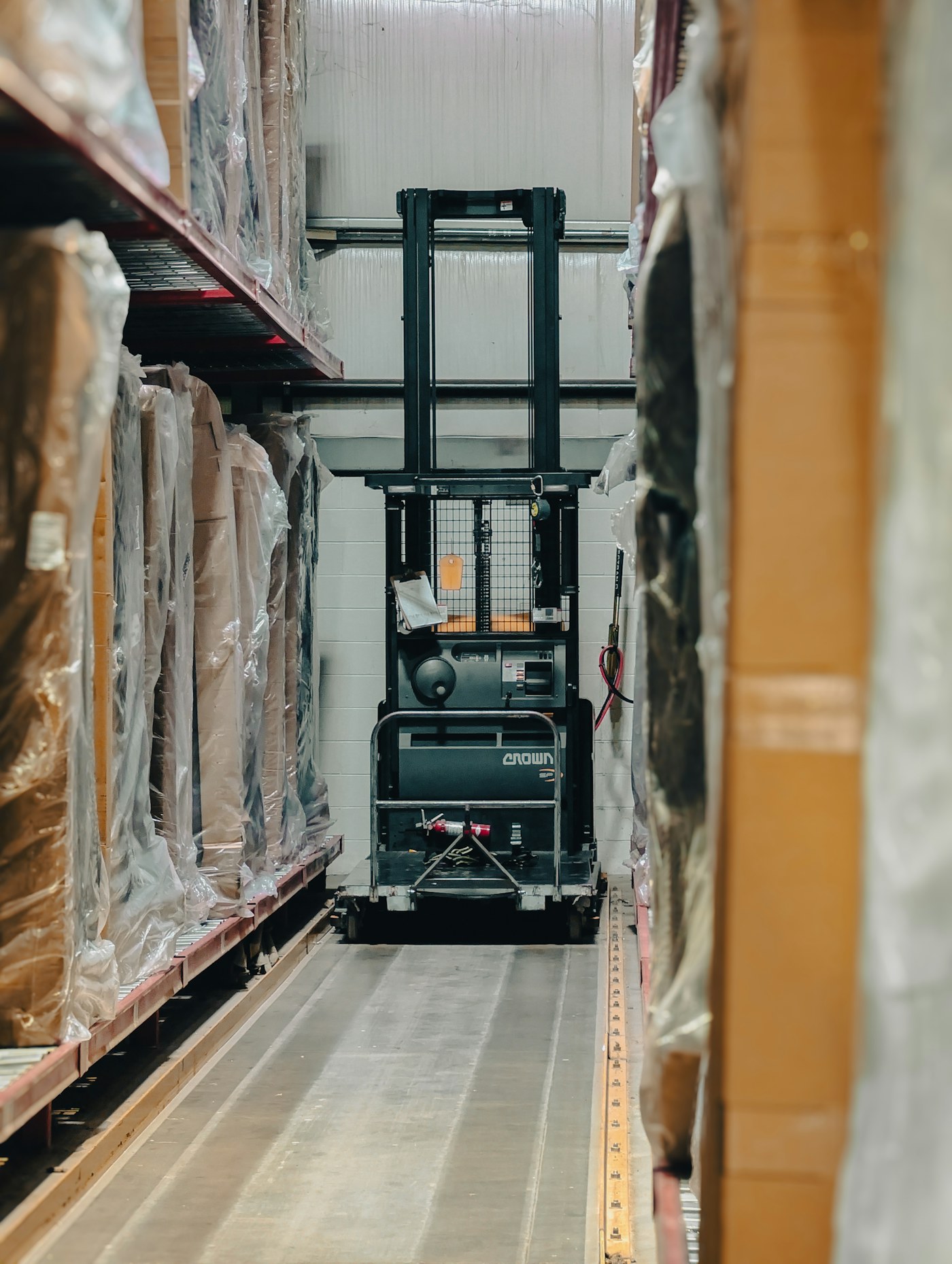
Cold-chain quality is a chain of small choices. Warehouse layout, loading windows, container checks, and handoff timing all determine whether a shipment arrives with the same confidence it had when it left the plant.
Article brief
Operational focus
Warehouse to vessel
Primary concern
Temperature stability
Useful for
Logistics coordinators
01
The longer a finished product waits in the wrong place, the harder quality becomes to defend. Good staging plans define where pallets sit, how long they wait, and who confirms the next movement.
02
Pre-cooling, sanitation checks, seal control, and loading order all help protect product integrity. These steps also create a record that reassures buyers when shipments cross ports and borders.
03
Cold-chain issues are expensive to fix late. Routine checks at each handoff are quieter, faster, and more dependable than attempting to recover quality after a weak loading process.
Field principle
A stable cold chain is less about speed alone and more about removing uncontrolled waiting.
Operational takeaways
01
Use staging windows that the warehouse team can measure.
02
Confirm container readiness before pallets move.
03
Keep handoff records clean enough for buyers to audit.
Continue reading
Supply chain5 min read
From Tran De to global seafood hubs: building reliability around the port.
Markets6 min read
Questions to ask before locking annual fish meal contracts.
Production4 min read
Surimi gel strength starts long before the mixer.